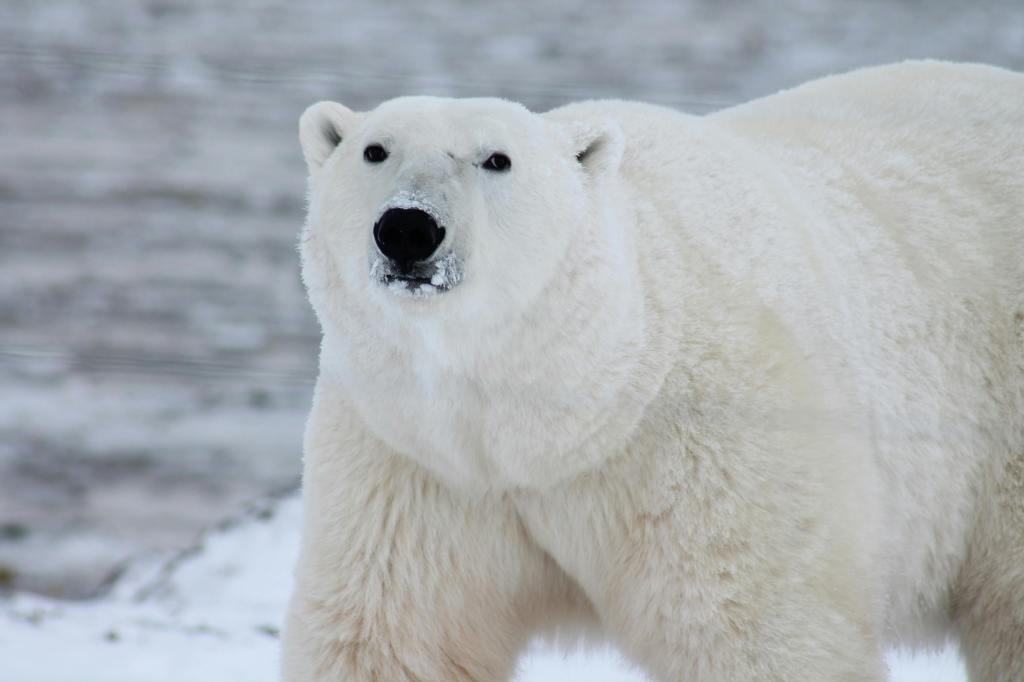
High Pathogenic Avian Influenza (H5N1) Discovered in a Polar Bear in far northern Alaska

Just published in Emerging Infectious Diseases, (https://wwwnc.cdc.gov/eid/article/30/8/24-0481_article), community members in Point Barrow, Alaska, the northernmost tip of the United States, found a dead polar bear in August 2023. Brain tissue from this young male bear then tested positive for the highly pathogenic avian influenza (HPAI) virus genotype A3, a Eurasian strain of the avian influenza virus, documenting the first case of HPAI in a polar bear. In August of 2023, dead Short-tailed Shearwaters (Ardenna tenuirostris) near Point Barrow also tested positive for HPAI H5N1 and a small mortality event in other Alaskan seabirds nearby, this time in Common Murres (Uria aalge), was also documented due to avian influenza. It is suspected that the bear may have become infected with HPAI through ingestion of a positive bird. The USDA’s Wild Bird Avian Influenza Surveillance dashboard is a great way to keep track of the distribution of HPAI H5N1 across the USA and can be found here: https://www.aphis.usda.gov/livestock-poultry-disease/avian/avian-influenza/wild-bird-surveillance-dashboard.

White-tailed deer as potential reservoir hosts for SARS-CoV-2

Yes, you read that right! A new study just out in Nature Communications (https://www.nature.com/articles/s41467-023-39782-x) shows that white-tailed deer across the US and Canada are infected with multiple variants of SARS-CoV-2. Infection in wild deer was documented as early as January of 2020 in just a few states and now a diversity of human variants of the virus have been documented in deer across the US and Canada. Data also suggest transmission between deer in the wild and recent evidence suggests a few cases of transmission from deer to humans in Canada. What does this mean for us? Well, with a diversity of variants circulating around in a broadly distributed and common wildlife species that shares habitat with humans, the risk of continued spillover of SARS-CoV-2 from deer to humans is a possibility and white-tailed deer may serve as important reservoir hosts. Spillover from humans to deer and then back into humans. Wild times! Stay tuned for more updates!

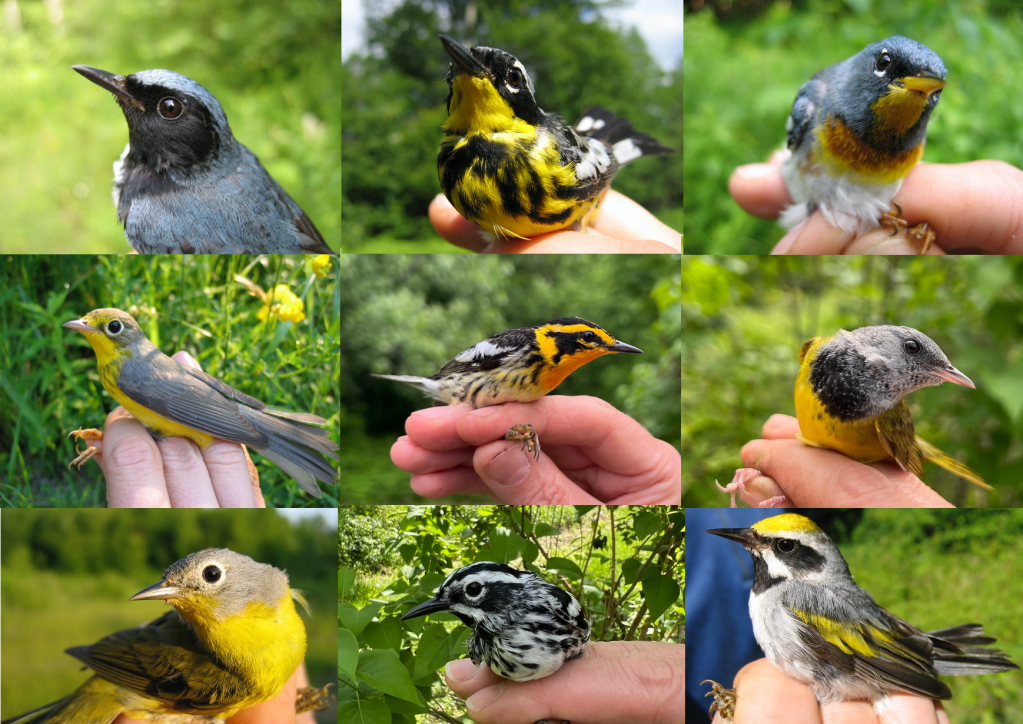
Warbler diversity

Each spring and summer, as the migratory birds return from their southerly wintering grounds, I am amazed at the tremendous diversity of warblers. The Family Parulidae (Wood- Warblers) is amazingly diverse and colorful with over 20 species found in the northeastern US. Here are a few pictures of various warbler species we have had the pleasure of experiencing (and photographing) during our mist-netting and banding expeditions in Vermont.